The iView has timed out. It is now displaying expired content from the cache. Click 'Reload' to retrieve updated content. You may need to wait for the cache to retrieve the content from the source.Reload
iView has timed out; there is no cached content to display. Click Reload to retrieve updated content. You may need to wait for the cache to retrieve the content from the source. Reload
Mumbai's food scene is a vibrant reflection of its cultural diversity and
fast-paced life. From
the sizzling street-side stalls to historic Irani cafes and upscale coastal restaurants, the
city offers a culinary experience like no other. Iconic street foods such as vada pav, pav
bhaji, and misal pav are beloved by locals and tourists alike, offering bold flavors at
affordable prices.
Mumbai's language culture is not just about communication â it's a symbol of
the city's unity in diversity, adaptability, and vibrant identity. Mumbai is a true linguistic
mosaic, reflecting the cultural diversity of its people. The city is home to residents from
nearly every state in India, and as a result, a variety of languages are spoken in everyday
life, each contributing to Mumbai's dynamic identity.
Marathi
Marathi is the official language of Maharashtra, the state where Mumbai is located. It is
widely spoken, especially by the native Maharashtrian population.
Hindi serves as the most commonly spoken language in Mumbai, bridging people from different
backgrounds.It's the primary language in Bollywood, television.
English plays a major role in corporate offices, schools, colleges, and media.It is the
preferred medium in higher education, multinational companies, and journalism.
Mumbai's historical and iconic landmarks reflect its rich colonial past and vibrant cultural heritage.
These landmarks are not only architectural marvels but also key symbols of Mumbai's identity.
Gateway of India
An iconic arch monument built in 1924, symbolizing Mumbai. Located on the waterfront in Colaba.
Chhatrapati Shivaji Maharaj Terminus (CST)
A UNESCO World Heritage Site and one of the most stunning examples of Victorian Gothic Revival architecture.
Rajabai Clock Tower
A 19th-century clock tower inside the University of Mumbai campus, often compared to London's Big Ben.
Bombay High Court
An architectural marvel and an active court with historical significance.
Kabutar Khana
A circular structure housing hundreds of pigeons, located near Dadar station.
Bandra-Worli Sea Link
The Bandra-Worli Sea Link is a modern engineering marvel and one of Mumbai's most iconic landmarks.
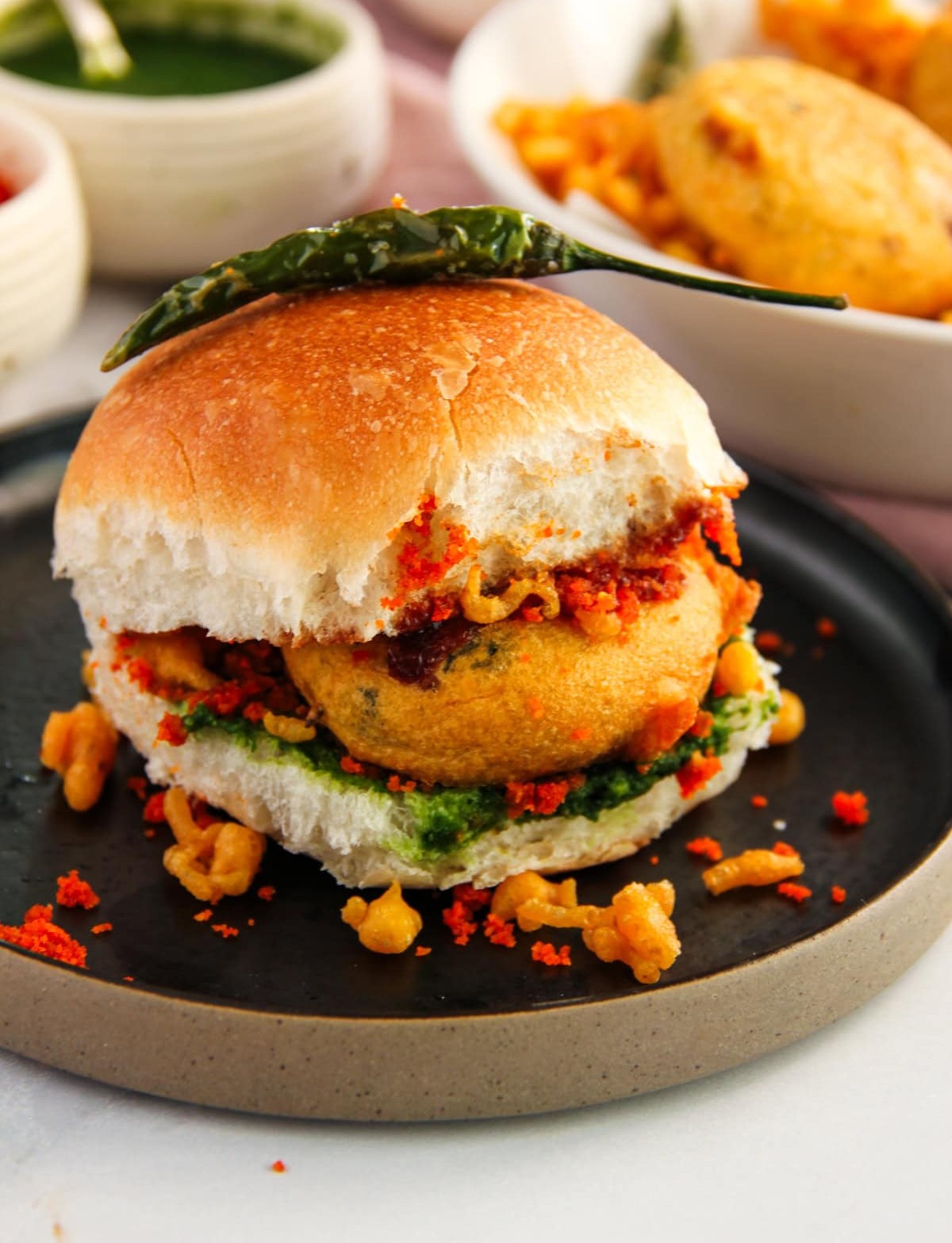
Vada Pav
Cultural roots: A humble creation that became Mumbai's most
loved fast food. It originated in the 1960s-70s, credited to Ashok
Vaidya, a vendor outside Dadar station.
It's a spicy potato fritter (vada) placed in a soft bun (pav), served with chutneys and fried green chili.
Often called the "poor man's burger", it's a symbol of
Mumbai's working-class spirit.
"Vada Pav is not just a snack; it's the heartbeat of Mumbai's streets."
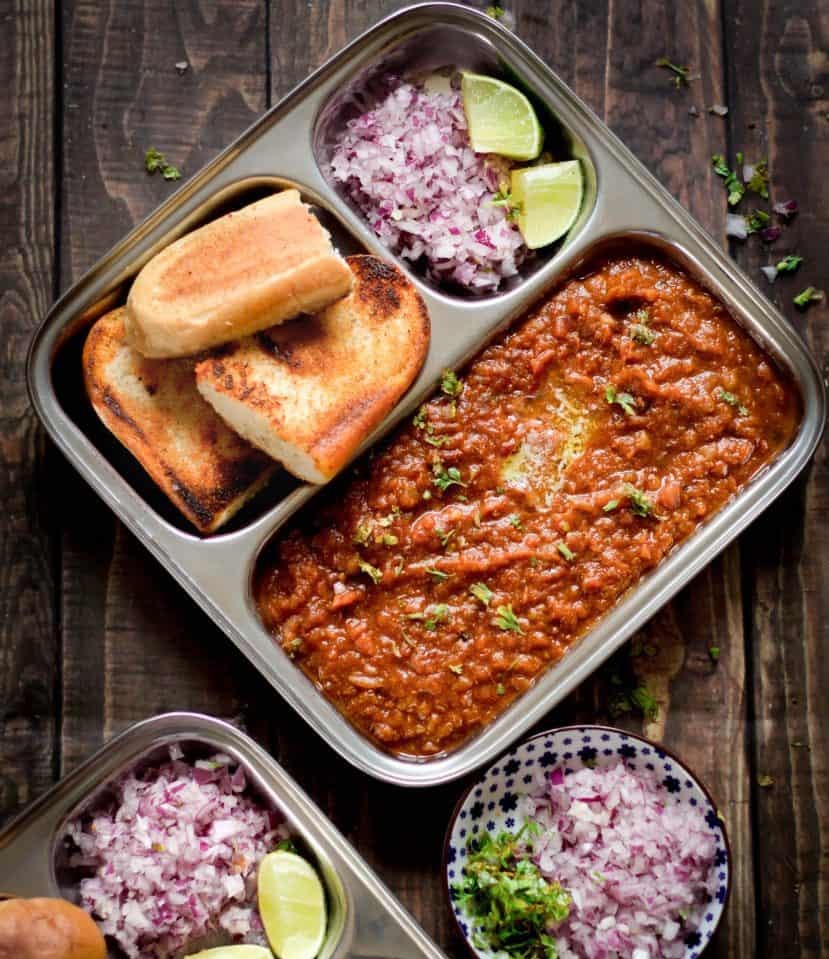
Pav Bhaji
Cultural roots: Originated in the 1850s as a quick meal for
textile mill workers in Mumbai.
Mixed vegetables mashed and cooked in butter with spices, served with buttered pav.
It's now a globally recognized Mumbai comfort food, found from Sardar
Pav Bhaji in Tardeo to roadside stalls.
"Pav Bhaji is a hearty, flavorful dish that brings people together, one pav
at a time."
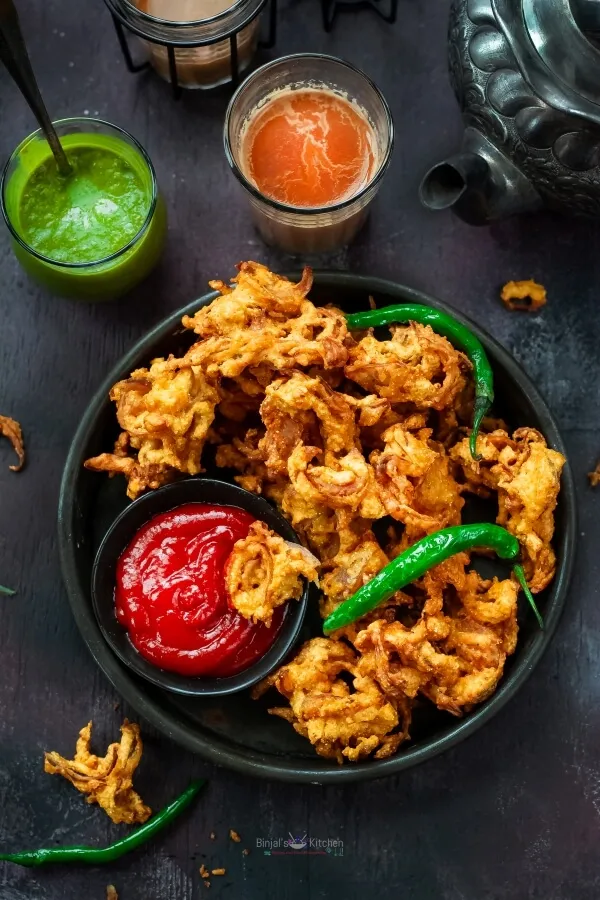
Vada Pav
Cultural roots: Kanda Bhaji, also known as Onion Pakora, is
one of Maharashtra's most iconic street snacks. It's a deep-fried fritter made with thinly
sliced onions, chickpea flour, and a blend of spices.
Popular as a rainy day snack, it's enjoyed with a hot cup of **chai** (tea). The crispy,
golden exterior of Kanda Bhaji hides a soft, savory inside that's packed with flavors like
**turmeric**, **cumin**, and **coriander**. A dash of **chili powder** gives it the perfect
spicy kick.
"Kanda Bhaji is more than just a snack - it's a warm comfort that brings
people together, especially during the monsoon season."
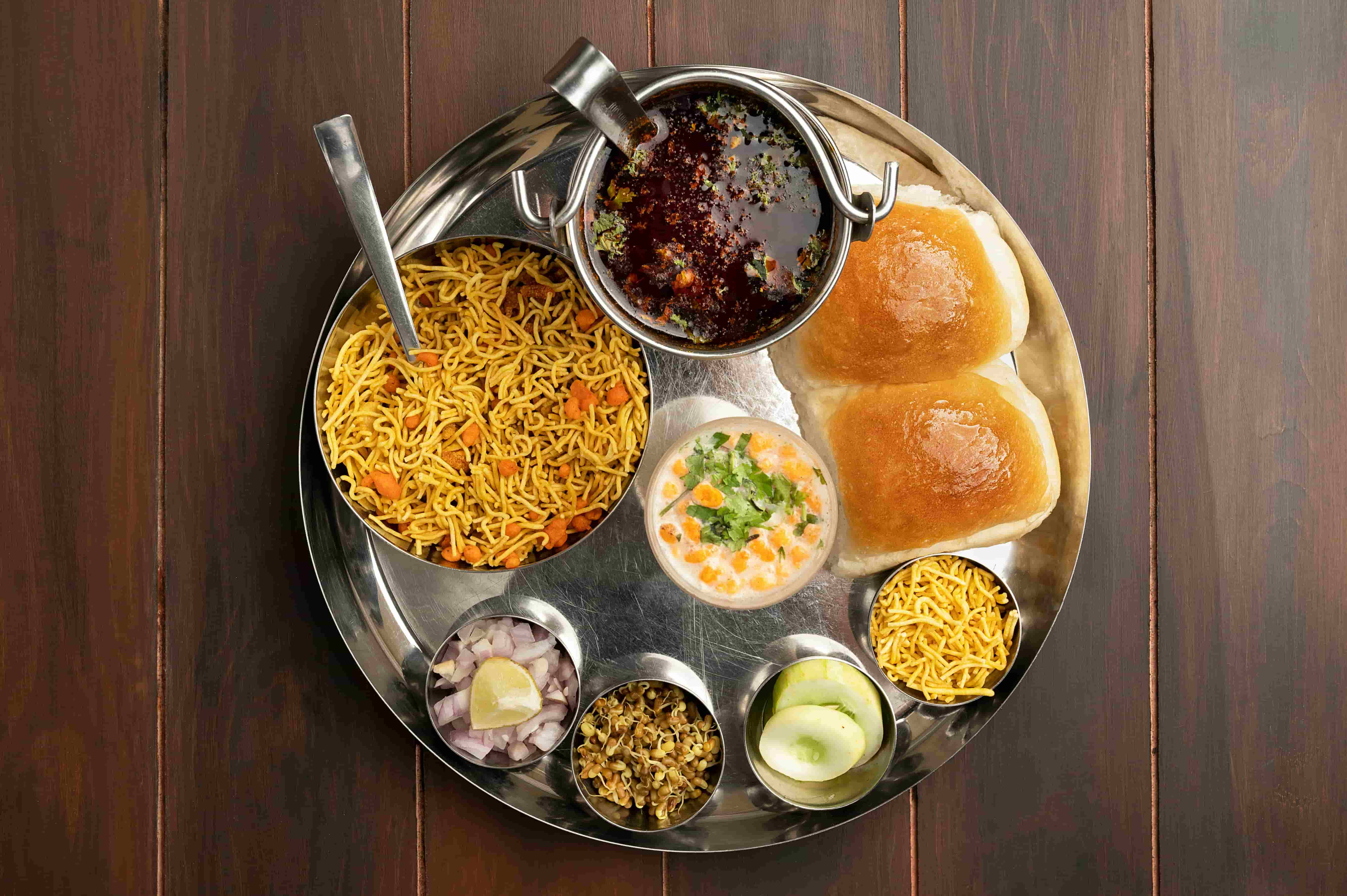
Misal Pav
Cultural roots: A traditional Maharashtrian breakfast/lunch
dish with deep roots in Pune, Kolhapur, and Nashik, but widely loved in Mumbai.
It's a spicy curry of sprouted moth beans topped with farsan (crunchy snacks), onions, lemon,
and served with pav.
Places like Aaswad in Dadar (which won international awards)
popularized Misal globally.
"Misal Pav is the perfect balance of spice, crunch, and zest - a true
celebration of Maharashtrian flavors."
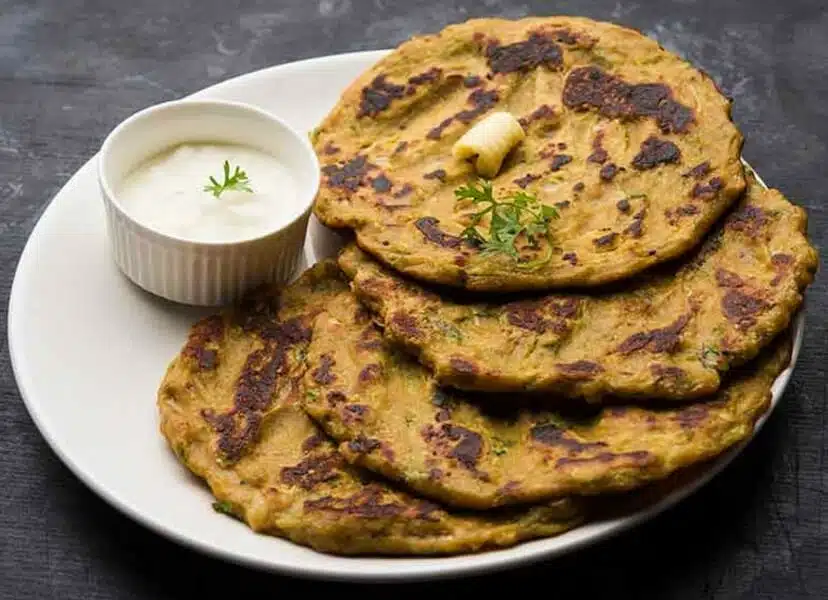
Thalipeeth
Cultural roots: Traditional Marathi home-style dishes, now
found in heritage Maharashtrian eateries.
Thalipeeth is a multigrain savory pancake, Thalipeeth has deep
cultural roots in Maharashtra and is an integral part of Maharashtrian cuisine. Its origins
are tied to the rural and farming communities of Maharashtra, where the dish was often made
using locally available grains and ingredients
"Thalipeeth is more than just a mealâit's a taste of tradition, a blend of
culture, and the warmth of home, all wrapped in a golden, crispy embrace."
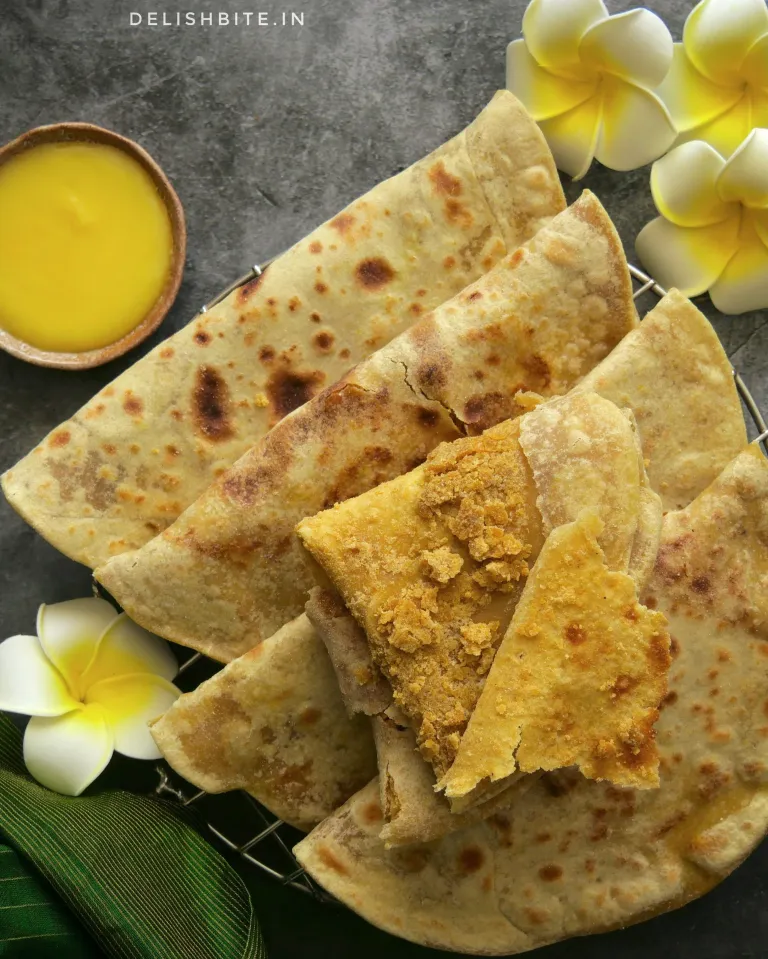
Puran Poli
Cultural roots: Puran Poli is a quintessential part of
Maharashtrian cuisine, especially made during festive occasions like Gudhi Padwa, Ganesh Chaturthi,
Diwali, and Makar Sankranti.
Made from a dough of wheat flour and filled with a sweet, spiced mixture of **chana dal
(yellow split peas)** and **jaggery**, Puran Poli is a delicious combination of flavors and
textures. It is typically served with a dollop of ghee (clarified butter) for added
richness.
"Puran Poli isn't just food; it's a celebration of Maharashtra's rich
cultural heritage, passed down through generations."
Hindi
Hindi serves as the most commonly spoken language in Mumbai, bridging people from different
backgrounds.
It's the primary language in Bollywood, television, and pop culture.
In markets, workplaces, and transportation, Hindi is the most practical and widely understood
language.
Marathi
Marathi is the official language of Maharashtra, the state where Mumbai is located.
It is widely spoken, especially by the native Maharashtrian
population.
You'll find it used in government offices, local schools, public signboards, and daily
conversations in residential neighborhoods.
Dialects like Mumbaiya Marathi blend traditional Marathi with Hindi and slang, especially among younger Mumbaikars.
English
Hindi serves as the most commonly spoken language in Mumbai, bridging people from different
backgrounds.
It's the primary language in Bollywood, television, and pop culture.
In markets, workplaces, and transportation, Hindi is the most practical and widely understood
language.